Quiet queerness among the Ayta people
By Levi Mora
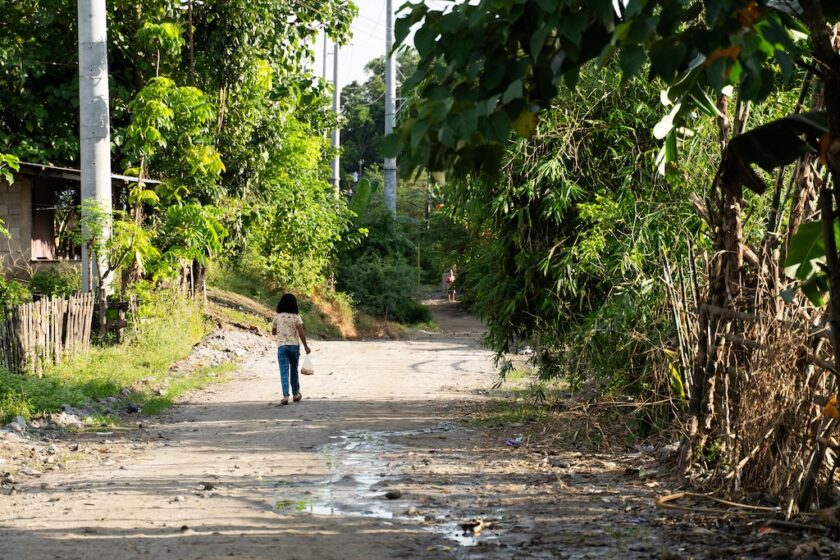
Queerness takes root quietly in an Ayta community in Capas, Tarlac. Not resisted, not announced, simply lived.
Across many Indigenous Filipino communities, expressions of gender and identity have long existed outside mainstream definitions. While views on gender differ from one family or community to another, acceptance is often shaped through familiarity, kinship, and daily interactions.
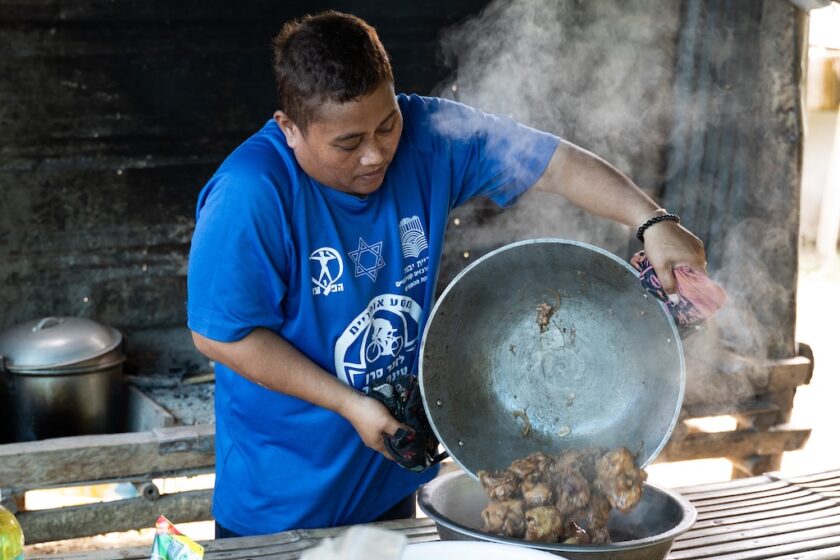
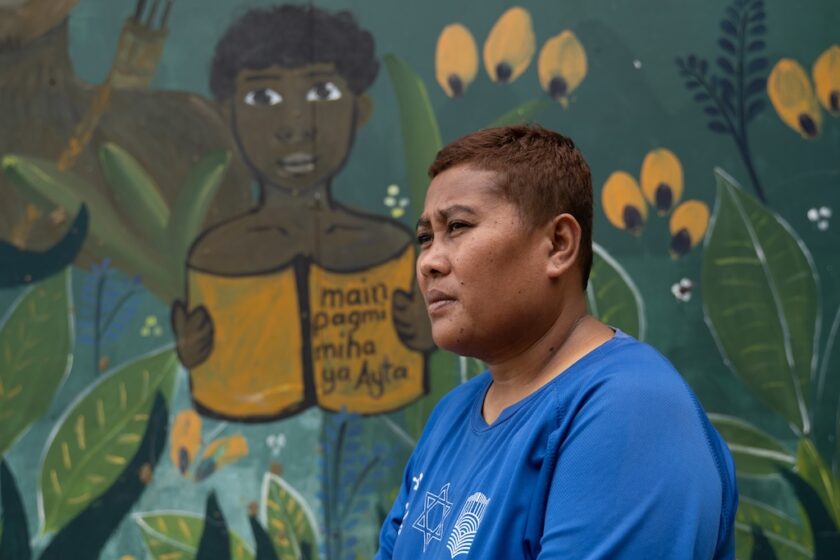
For Louie, acceptance takes a quiet and personal form. Openly lesbian and using a male name, Louie is called “Papa” by his stepdaughter — a title that family members and neighbors also use naturally in conversation.
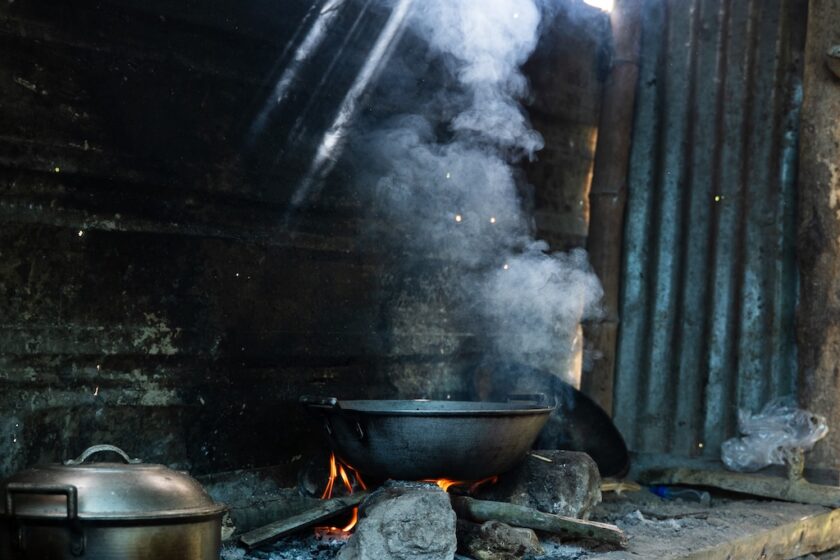
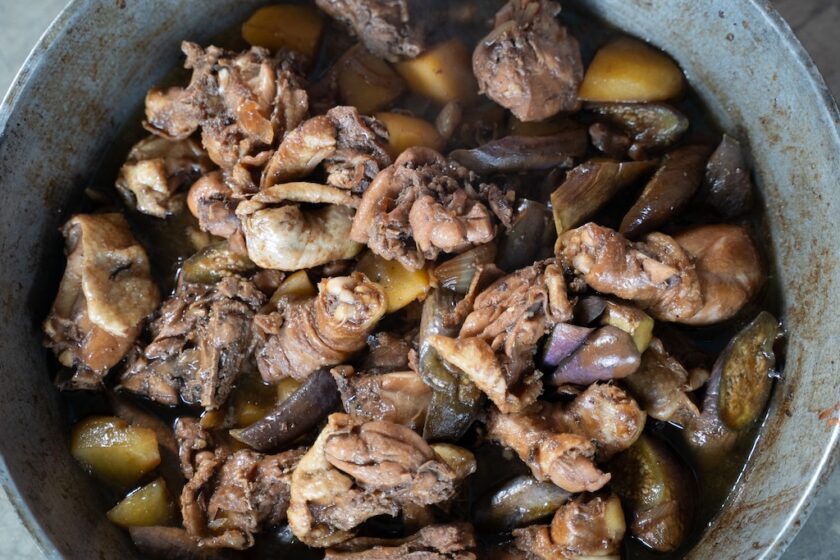
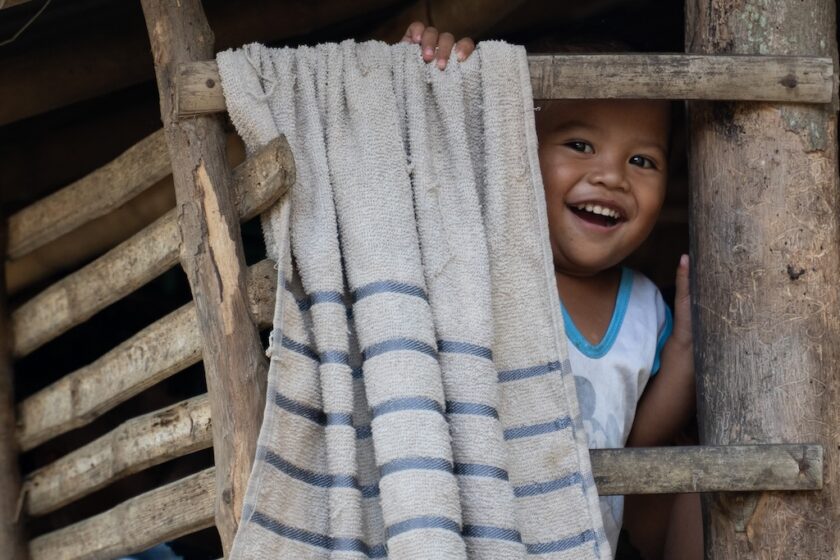
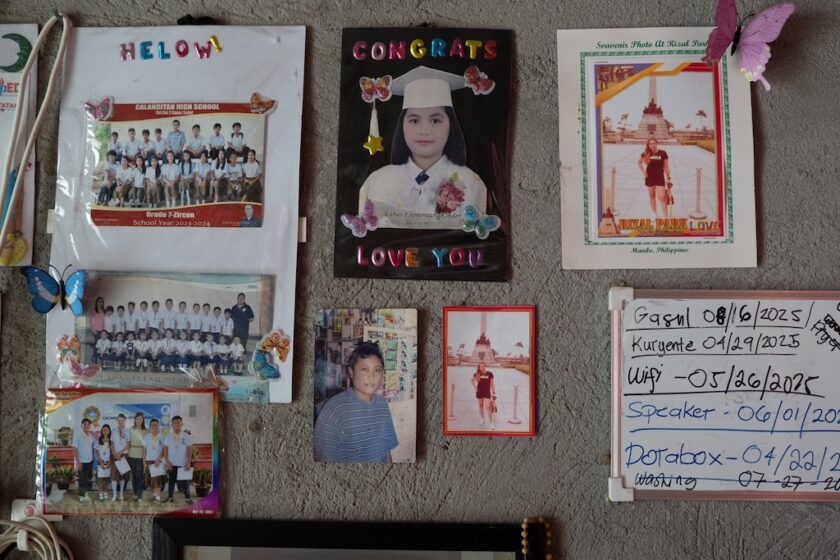
At home, daily life revolves around routines familiar to many families in the community: preparing meals over a fire, tending a small sari-sari store, and caring for children and relatives within a shared household.
In a place where life moves at a slower pace and livelihoods remain modest, Louie’s story reflects how identity can be understood through presence and responsibility within the family, rather than through labels or public declarations. (CAM, RVO)
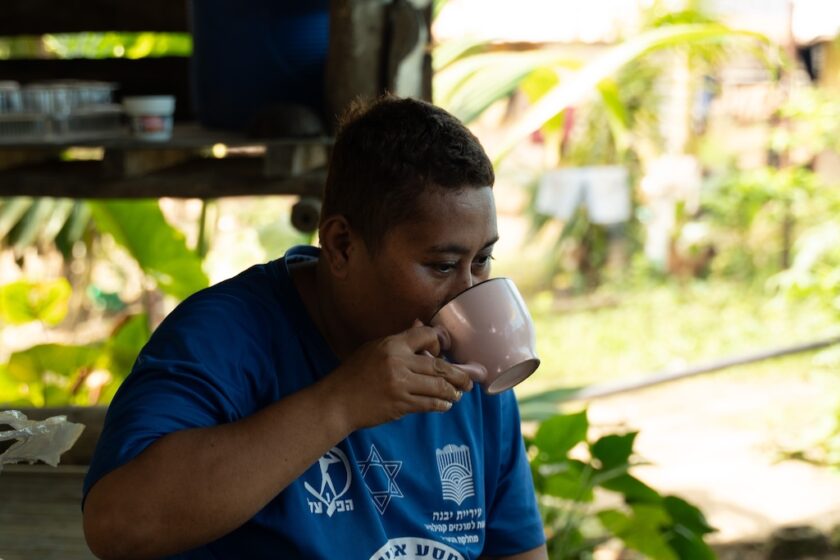
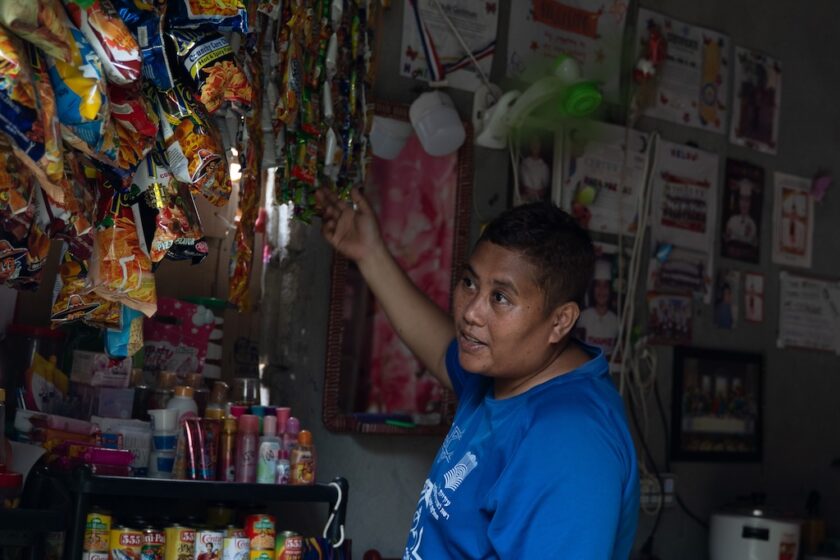

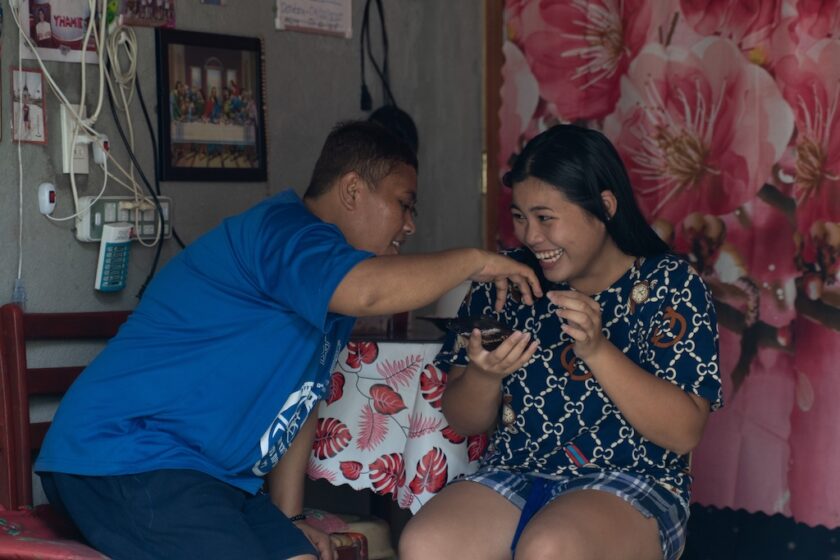
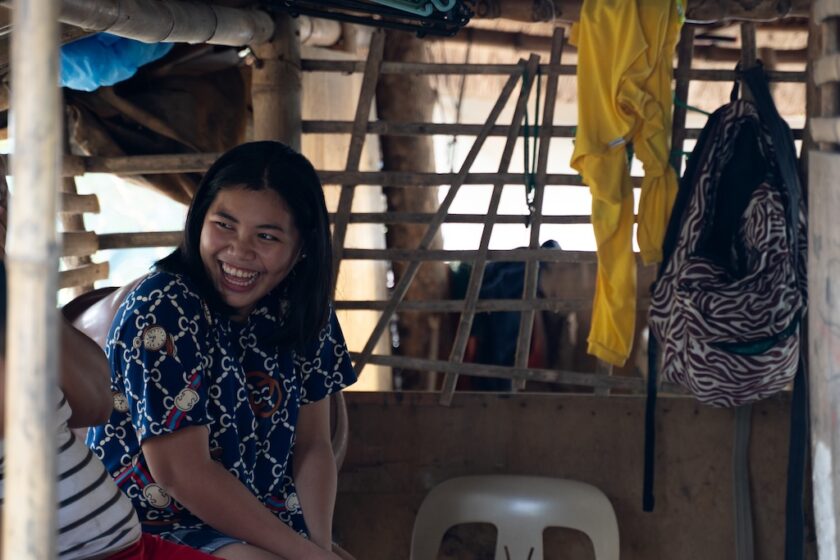
NOTE: This photo essay was the author’s output from the 17th PCP Professional Photojournalism and Documentary Photography Workshop organized by the Photojournalists’ Center of the Philippines, Inc. (PCP) and the Tarlac Provincial Government on November 26-30, 2025.
The post Quiet queerness among the Ayta people appeared first on Bulatlat.


Leave a Comment